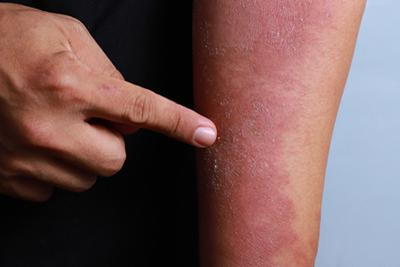
Psoriasis is a chronic skin condition that can affect both the appearance and comfort of the skin. It often develops in cycles, with periods of flare-ups followed by times of improvement. At The Center of Dermatology in Omaha, NE, Dr. Herschel Stoller and our team provide advanced care to help patients manage psoriasis and maintain healthier skin over time.
What Psoriasis Is and How It Develops
Psoriasis occurs when skin cells multiply more rapidly than normal, leading to a buildup of thickened, scaly patches on the surface of the skin. These patches may appear red, raised, and covered with silvery scales. The condition is linked to an overactive immune response that triggers inflammation and accelerated skin turnover.
Psoriasis can affect different areas of the body, including the scalp, elbows, knees, and lower back. Symptoms can vary in severity, ranging from mild irritation to more widespread involvement.
Common Symptoms of Psoriasis
Patients with psoriasis often notice patches of dry, cracked skin that may itch, burn, or feel tender. These areas can become inflamed and may occasionally bleed if the skin becomes irritated. In some cases, psoriasis can also affect the nails, causing thickening, discoloration, or pitting.
The appearance and intensity of symptoms can change over time. Some patients experience mild, localized patches, while others may develop more extensive areas of involvement.
Triggers That May Cause Flare-Ups
Psoriasis flare-ups can be influenced by a variety of factors. Common triggers include stress, skin injury, infections, and changes in weather, particularly colder, drier conditions. Certain medications and lifestyle factors may also contribute to symptom changes.
Identifying individual triggers is an important part of managing psoriasis. By recognizing patterns, patients can take steps to reduce the likelihood of flare-ups and maintain more stable skin health.
Treatment Options for Psoriasis
Treatment for psoriasis depends on the severity of symptoms and how the condition affects daily life. Many patients benefit from topical treatments that help reduce inflammation and slow skin cell turnover. For more persistent cases, additional therapies may be recommended to target the underlying immune response.
Advanced treatment options are available to help improve both the appearance and comfort of the skin. A personalized approach allows for adjustments based on how the condition responds over time.
Managing Psoriasis Over Time
Psoriasis is a long-term condition that requires ongoing care and monitoring. Consistent treatment, attention to triggers, and regular evaluation help patients maintain control of their symptoms. Early intervention during flare-ups can reduce discomfort and prevent symptoms from worsening.
Working closely with a dermatology provider ensures that treatment remains effective and aligned with each patient’s needs.
Rejuvenate Your Skin in Omaha
If you are experiencing symptoms of psoriasis or noticing changes in your skin, professional evaluation can help guide effective treatment. At The Center of Dermatology in Omaha, NE, Dr. Herschel Stoller provides comprehensive care to support healthier, more comfortable skin.
Call our Omaha, NE, office at (402) 398-9200 to schedule an appointment and learn more about your treatment options.